


The Illusion of Free Play
Many gamblers are drawn to the allure of free play offers that casinos often advertise. These promotions are designed to attract new customers, promising the thrill of gaming without the financial commitment. However, upon closer examination, the reality is that these offers come with strings attached. Gamblers may find that the terms and conditions are laden with restrictions that limit their ability to cash out their winnings or require them to wager a far greater amount before any potential payout, especially when considering options for online casino uk fast withdrawal that might be available.
Moreover, “free play” often only applies to specific games or timelines, meaning players may find themselves drawn into games they wouldn’t otherwise choose. This can lead to additional betting that increases the overall expenditure. The excitement of free play can cloud judgment, enticing players to spend more money than they intended, ultimately leading to an inflated gambling experience that spurs more significant losses.
Additionally, the psychological aspect of free play cannot be ignored. It creates a false sense of security and may diminish a player’s perception of risk. When people believe they are gambling for free, they may choose more reckless betting strategies, leading to unforeseen losses. The emotional highs and lows of gambling can blind even seasoned players to the hidden costs associated with these seemingly generous offers.
Understanding the House Edge
The house edge is a fundamental concept in casino gambling that is often overlooked by players. This term refers to the mathematical advantage that the casino has over gamblers in any given game. Each game is designed to ensure that, over the long term, the casino will make a profit. Many players enter the casino without fully grasping how this advantage affects their odds of winning, often leading to the assumption that luck alone dictates outcomes.
For instance, while a player may experience short-term victories, the longer they play, the more likely it is that the house edge will erode their bankroll. Thus, understanding the specific percentage of the house edge for each game is crucial. Many players enjoy games like slots, but the house edge on these games can be significantly higher than that of table games like blackjack or roulette, where strategy can minimize losses.

The psychological impact of the house edge can also be profound. Players may develop a false confidence from winning streaks, leading them to overlook the reality that the odds are statistically stacked against them. Understanding how the house edge functions can empower gamblers to make better decisions, helping them to limit losses and maximize enjoyment without falling victim to the false promise of endless winning potential.
Compulsive Spending and Gambling Addiction
Gambling addiction is a serious issue that affects many individuals, leading to detrimental financial consequences. The thrill and excitement associated with gambling can create a cycle of compulsive spending that is difficult to escape. Many individuals start by gambling small amounts, but as the stakes increase, so does the risk of becoming addicted. Compulsive gamblers often chase losses, increasing their bets in a desperate attempt to regain what they have lost.
The hidden costs of gambling addiction extend beyond just financial loss; they can significantly affect personal relationships, mental health, and overall quality of life. Families may suffer as gambling addicts prioritize their gambling habits over essential responsibilities. There are numerous stories of individuals losing everything, including homes and savings, as they fall deeper into the cycle of addiction.
Moreover, the social stigma surrounding gambling addiction can make it difficult for individuals to seek help. Many remain in denial about their situation, believing they can control their gambling habits. Understanding the hidden costs associated with gambling can help individuals recognize the warning signs of addiction and encourage them to seek assistance or support from professionals.
The Cost of Convenience and Amenities
While many casinos offer luxurious amenities such as fine dining, entertainment, and lavish accommodations, these perks come at a price. Gamblers who spend time enjoying these additional attractions may not realize how quickly expenses can accumulate. The cost of food and drinks within a casino can be exorbitant compared to dining outside, leading to unplanned expenditures that can diminish gambling budgets significantly.
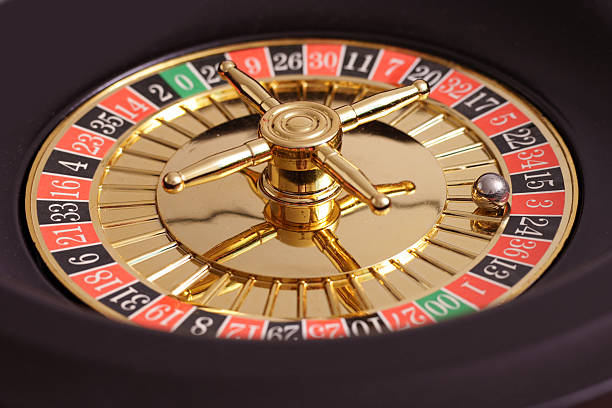
Additionally, many casinos employ tactics to keep players on the premises, creating an environment designed to promote extended gambling. Free drinks, live entertainment, and comfortable seating areas can lead to longer play sessions, which ultimately increases the likelihood of losses. Many players initially visit a casino with a budget but find that the lure of additional amenities distracts them from their financial goals.
Transportation costs can also add to the hidden expenses of a casino visit. Whether traveling by car, taxi, or rideshare service, commuting to a casino often involves additional costs that players may overlook. These expenses, combined with the potential for loss during play, can significantly impact a player’s overall financial experience, making a night at the casino far more costly than anticipated.
Exploring Responsible Gaming Resources
For those looking to engage in casino gambling without incurring hidden costs, understanding responsible gaming practices is vital. Numerous resources exist that offer guidance on safe gambling habits, providing tools for individuals to set limits on spending and time spent gambling. Casinos often provide information about self-exclusion programs and responsible gaming hotlines, emphasizing their commitment to promoting a safe gambling environment.
Online forums and community support groups can also provide valuable insights for players seeking to maintain control over their gambling habits. These platforms allow individuals to share experiences, strategies, and the emotional challenges associated with gambling. By connecting with others, players can learn to recognize the signs of problematic gambling and develop healthier relationships with their gambling activities.
Moreover, utilizing these resources can be crucial in creating a well-rounded approach to gambling. Setting budgets, identifying triggers, and understanding personal limits can help mitigate hidden costs. Prioritizing responsible gaming not only preserves finances but also ensures that gambling remains a source of entertainment rather than a source of stress or regret.